
Blog
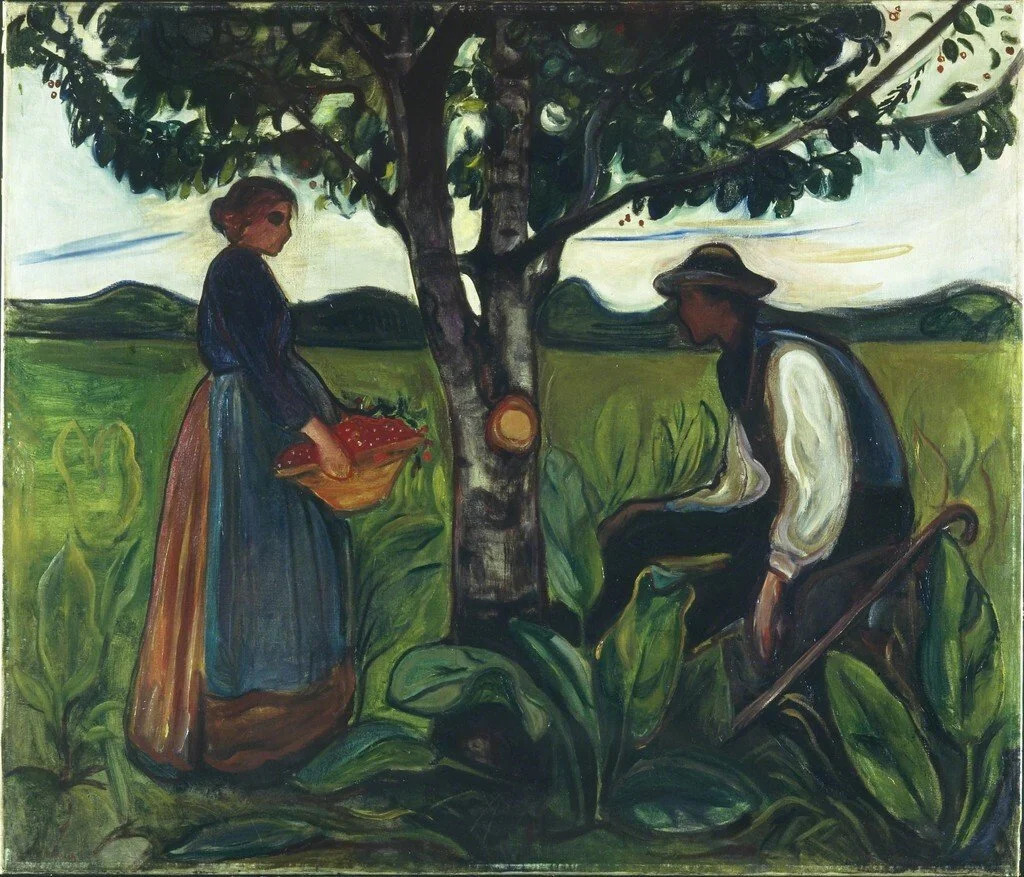

The year 2021 will bring DeFi into adolescence
After DeFi's breakout growth, we'll now see innovation in user experience, liquidity, scalability, and regulation.
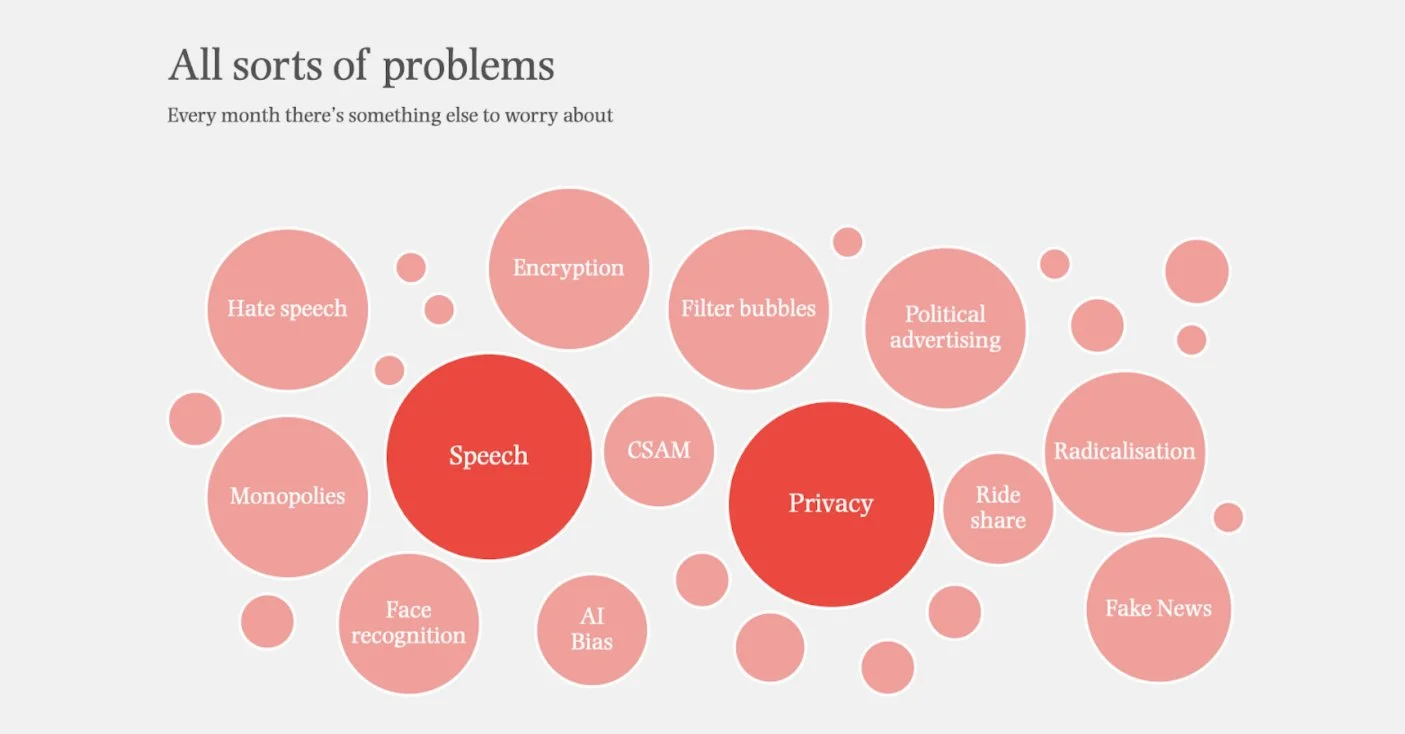
The Great Unbundling
COVID, China, regulation.. tech is becoming a regulated industry, but what does that actually mean? How will tech look like when entering its second 50 years?

Why we invested in Indeez
Gig workers have been hard hit by COVID. Freelance designers, Uber drivers, chefs and independent consultants alike have little visibility about when pre-pandemic life will return and their careers can resume. They were not protected against such a life-altering event: the crisis has been an awakening to the importance of income protection insurance.
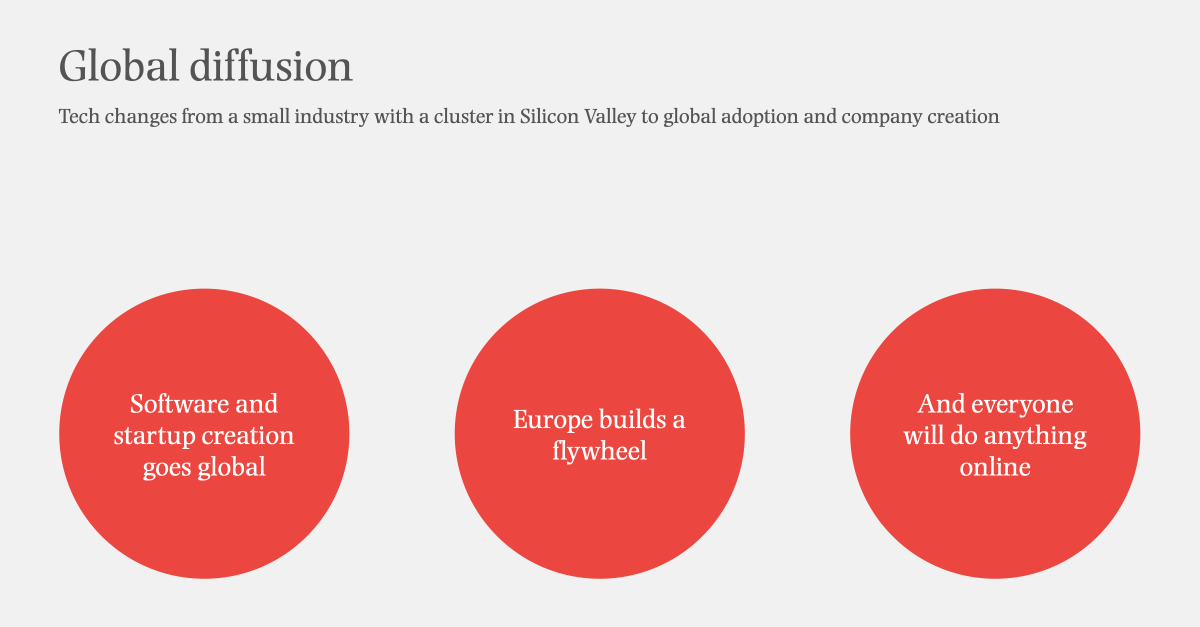
Europe, Unicorns and Global Tech Diffusion - The End of the American Internet
Anyone will do anything online, and a whole wave of companies is being created to take advantage of that, even, yes, in Europe.

E-commerce growth during lockdown
Lockdowns triggered a huge spike in online sales of every kind, will this stabilise - once things calm down, where will the new level be set? Our Venture Partner Ben Evans looks into it.
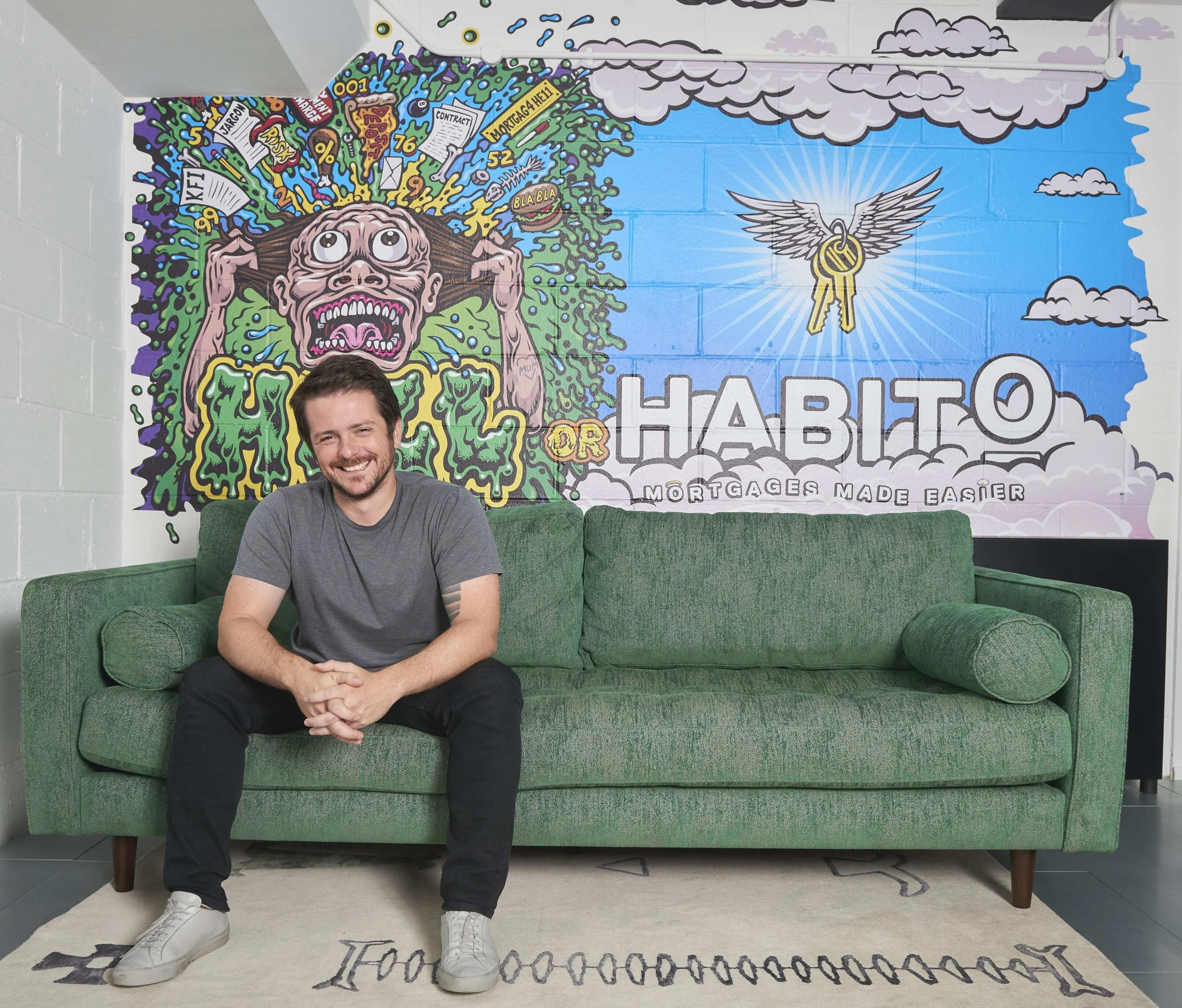
Q&A with Habito's Daniel Hegarty
Daniel Hegarty, founder and CEO of our portfolio company Habito, came up with the idea for the business six years ago, after an eye-opening experience trying to buy his first home when his own mortgage broker made several frustrating mistakes. Dan realised that the mortgage market was rife with manual errors and confusing jargon.
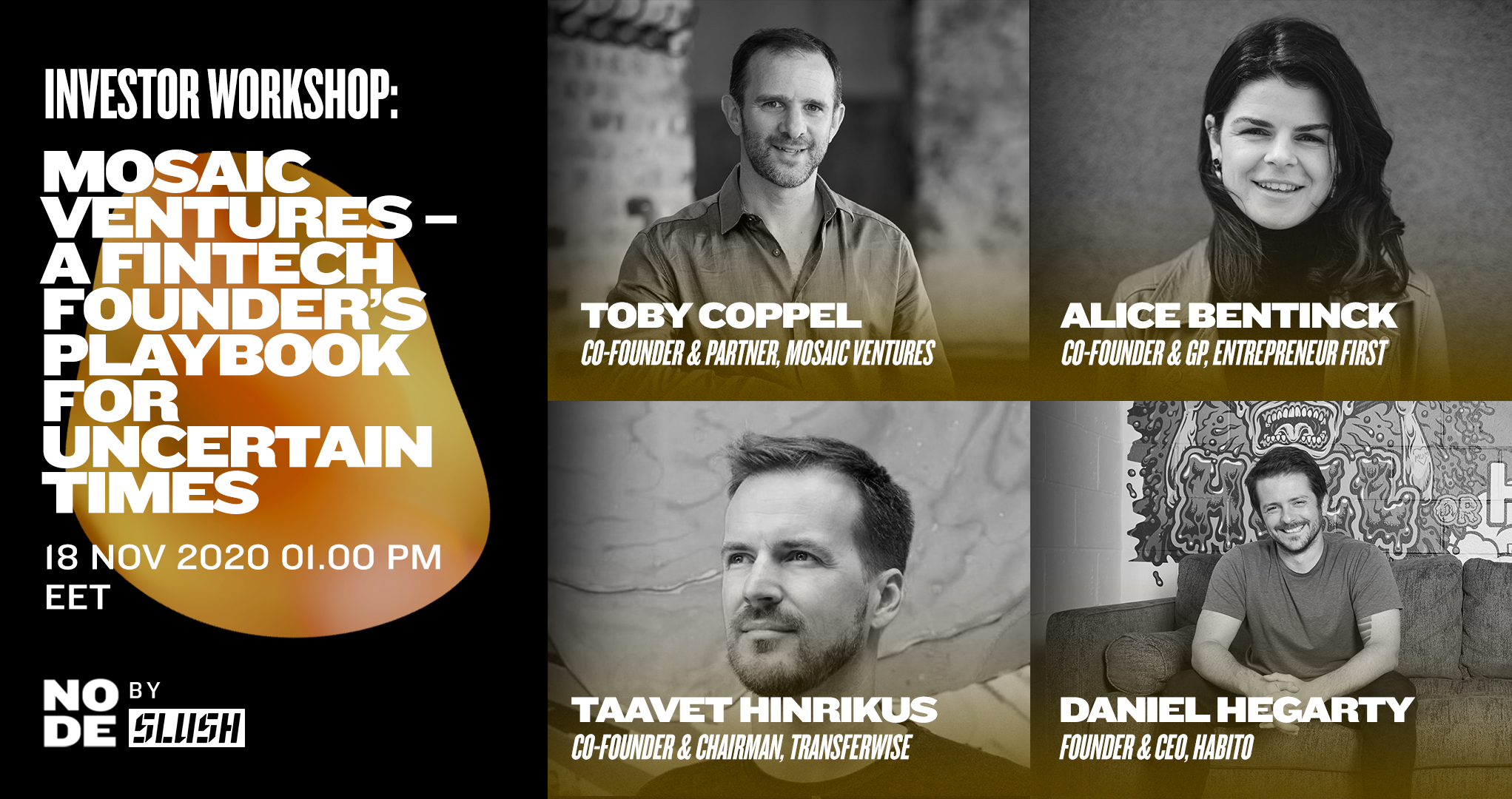
Our Slush Workshop: A Fintech Founder's playbook for uncertain times
Our partner Toby had the chance to lead a workshop at Slush2020 on how FinTech founders can prepare for uncertain times.

Crypto protocols: in search of the emerging winners
We continue to witness a Cambrian explosion of public blockchain development. In recent years, the fabric of the decentralised web has begun to be woven, and the social contract of money is being rewritten. Bitcoin and later Ethereum are the two platforms on this movement was catalysed. In this post, we explore what comes next.

What is your market?
One of the basic building blocks of any competition case is market definition

Our Manifesto (V2 — from 2020)
We founded Mosaic as optimists who see technology as a force for good, and believe that the startup ecosystem will positively impact society.

Machine intelligence and legal contracts: why now?
Machine intelligence applied to the law is not a new concept – yet its gestation has been slow, and it has not inflected into widespread adoption.
Ecommerce discovery
I’ve spent a lot of time in the last few years looking at ecommerce and discovery - how do people decide what to buy online, when a shop can’t show it to them? It seems to me that pretty much every part of that question is being reset this year
Preclinical drug discovery: does software eat the CRO?
The productivity of pharmaceutical research and development has been on the decline for decades. In fact, reports indicate a negative rate of return for many recently developed drugs.
A new operating system for work: our investment in Qatalog
What will be the operations software to power the modern connected organisation? After several years asking this question, meeting Tariq Rauf in July 2019 was an epiphany.

Procurement software: crossing the chasm
Machine intelligence is permeating into more enterprise functions than ever...
Amazon's profits, AWS and advertising
People argue about Amazon a lot, and one of the most common and long-running arguments is about profits. The sales keep going up, and it takes a larger and larger share of US retail every year (7-8% in 2019), but it never seems to make any money. What’s going on?
What tech regulation can teach us
It took 75 years for seatbelts to become compulsory, but tech has gone from interesting to crucial only in the last five to ten years. That speed means we have to form opinions about things we didn’t grow up with and don’t always understand quite so well as, say, supermarkets.

Trust in a time of anti-trust: lessons from big tech
We all, I think, understand that the iPhone was a generational change in computing, but that change came in two parts. The multitouch interface is obvious, but the change in the software model was just as important. Apple changed how software development worked, and by doing so expanded the number of people who could comfortably, safely use a computer from a few hundred million to a few billion.